A Safety Officer plays a vital role in preventing workplace injuries, protecting employees, and helping organisations maintain safe operations. Whether working in construction, manufacturing, warehouses, infrastructure, power plants, facilities management, or industrial projects, a Safety Officer helps identify risks before they become incidents.
In India, Safety Officers are expected to advise management, conduct safety inspections, support accident prevention, maintain records, organise safety training, and help ensure that safe systems of work are followed. The model factory rules describe the role as advising and assisting management in preventing personal injuries and maintaining safe working conditions.
Here are 30 important responsibilities of a Safety Officer.
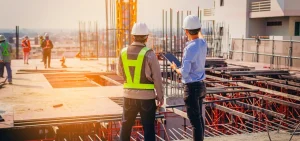
1. Conduct workplace inspections
A Safety Officer regularly inspects work areas to identify unsafe acts, unsafe conditions, damaged equipment, poor housekeeping, blocked exits, and missing safety controls.
2. Identify workplace hazards
The officer identifies hazards that may cause injury, illness, property damage, fire, environmental harm, or disruption to operations.
3. Prepare risk assessments
Risk assessments help determine the likelihood and severity of harm and identify suitable controls before work starts.
4. Recommend control measures
The Safety Officer recommends practical controls using the hierarchy of controls: elimination, substitution, engineering controls, administrative controls, and PPE.
Ensure PPE compliance
The officer checks whether workers have suitable personal protective equipment and are using it correctly. This may include helmets, safety shoes, gloves, goggles, harnesses, respirators, and hearing protection.
5. Conduct toolbox talks
Toolbox talks are short safety briefings delivered before or during work. They help workers understand task-specific hazards, controls, and safe work methods.
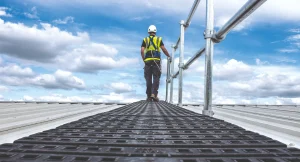
6. Monitor work at height
The Safety Officer checks scaffolding, ladders, guardrails, platforms, anchorage points, harnesses, exclusion zones, and rescue arrangements for work at height.
7. Check permit-to-work systems
High-risk tasks often need a permit to work. The Safety Officer checks that permits are properly issued, understood, displayed, monitored, and closed after the task.
8. Monitor hot-work activities
For welding, cutting, grinding, and other spark-producing work, the Safety Officer checks permits, fire extinguishers, removal of combustibles, fire-watch arrangements, and post-work monitoring.
9. Support confined-space safety
Before confined-space entry, the officer checks isolation, atmospheric testing, ventilation, entry permits, standby personnel, communication arrangements, and emergency rescue planning.
10. Check electrical safety
The officer helps inspect temporary electrical connections, cables, plugs, panels, earthing, lockout arrangements, and unsafe use of electrical equipment.
11. Monitor fire safety
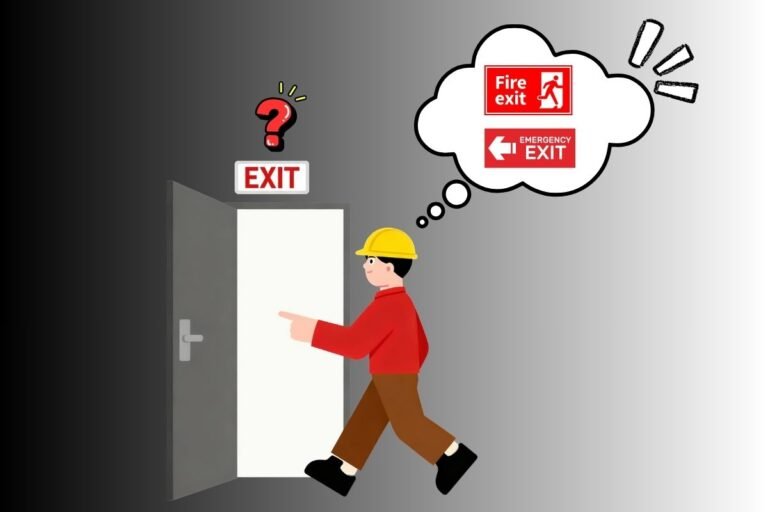
Fire safety responsibilities include checking extinguishers, fire points, emergency exits, alarm systems, evacuation routes, emergency lighting, assembly points, and fire-prevention measures.
12. Assist emergency preparedness
A Safety Officer helps prepare emergency-response plans for fires, medical emergencies, chemical spills, gas leaks, structural incidents, severe weather, and other site-specific emergencies.
13. Conduct safety drills
Evacuation, fire, rescue, and emergency-response drills help workers understand what to do during an actual emergency.
14. Investigate accidents
After an accident, the Safety Officer helps collect facts, preserve evidence, interview witnesses, identify immediate and underlying causes, and recommend preventive action.
15. Report near misses
Near misses provide an opportunity to prevent future accidents. The officer encourages reporting, investigates the potential causes, and follows up on corrective measures.
16. Maintain safety records
Safety Officers maintain important documents such as inspection reports, risk assessments, permits, incident reports, training records, PPE registers, audit reports, and corrective-action trackers.
17. Prepare safety reports
Daily, weekly, or monthly reports help management understand incidents, observations, compliance status, open actions, training completed, and safety-performance trends.
18. Promote housekeeping standards
Good housekeeping reduces slip, trip, fall, fire, and material-handling risks. The officer checks walkways, storage areas, access routes, scrap disposal, and stacking practices.
19. Monitor lifting operations
The officer checks lifting plans, crane and lifting-equipment inspections, operator competency, slings, shackles, banksmen, exclusion zones, and load-control measures.
20. Support excavation safety
For excavation work, the officer verifies barricading, safe access and egress, soil conditions, shoring or sloping, utility checks, water control, and inspection arrangements.
21. Monitor machine safety
In factories and workshops, the Safety Officer checks machine guards, emergency-stop systems, safe operating procedures, maintenance practices, and lockout/tagout controls.
22. Support chemical safety
Chemical-safety duties can include checking labels, safety data sheets, storage compatibility, spill controls, ventilation, emergency eyewash facilities, and worker awareness.
23. Conduct safety training
The officer helps organise inductions, refresher training, job-specific training, fire-safety awareness, PPE training, emergency drills, and specialised training for high-risk work.
24. Guide workers and supervisors
A Safety Officer works with workers, supervisors, engineers, contractors, and managers to explain safety requirements and solve practical problems.
25. Participate in safety meetings
Safety meetings allow the officer to review incidents, observations, training needs, site concerns, and planned improvements with management and workers.
26. Support safety audits
The officer assists with internal inspections, client audits, third-party audits, compliance reviews, and follow-up on audit observations.
27. Enforce safe work practices
When a task presents an immediate danger, the officer should recommend stopping, isolating, or correcting the work before it continues. Safety must take priority over schedule pressure.
28. Track corrective actions
Finding a problem is not enough. The Safety Officer assigns or records action owners, deadlines, and status, then verifies that corrective measures are actually completed.
29. Build a positive safety culture
The most important responsibility is helping create a workplace where workers report hazards, follow procedures, participate in safety discussions, and believe that everyone has a role in preventing harm.
30. Role of a Safety Officer
A Safety Officer is not only responsible for checking PPE or completing paperwork. The role requires practical observation, communication, technical understanding, documentation, and the confidence to raise concerns before an incident occurs.
Government model rules include duties such as workplace inspection, job-safety studies, evaluation of safety controls, accident investigation, safety education, safety-committee support, and maintenance of accident records.
Learn Safety Skills in Lucknow
Candidates who want to build a career as a Safety Officer, HSE Officer, EHS Executive, or Safety Supervisor should develop practical knowledge of hazard identification, risk assessment, permit-to-work systems, fire safety, accident investigation, safety inspections, and workplace communication.
Career ProSafety Academy in Lucknow supports aspiring safety professionals through industrial-safety guidance, practical HSE learning, interview preparation, CV support, and job-assistance guidance. Candidates should independently verify qualification recognition, statutory requirements, eligibility rules, and employer expectations before enrolling in any safety course.