HSE is more than checklists. Learn the nine parts of a responsible HSE mindset, from risk management to well-being, and how simple actions build a safer workplace.
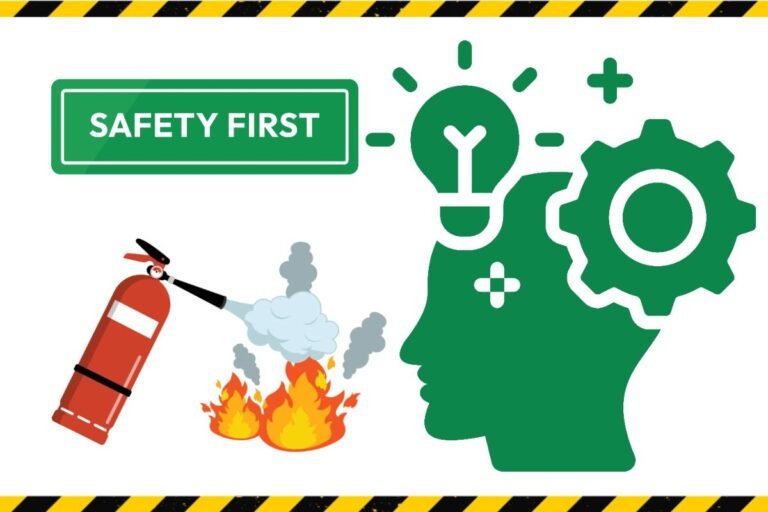
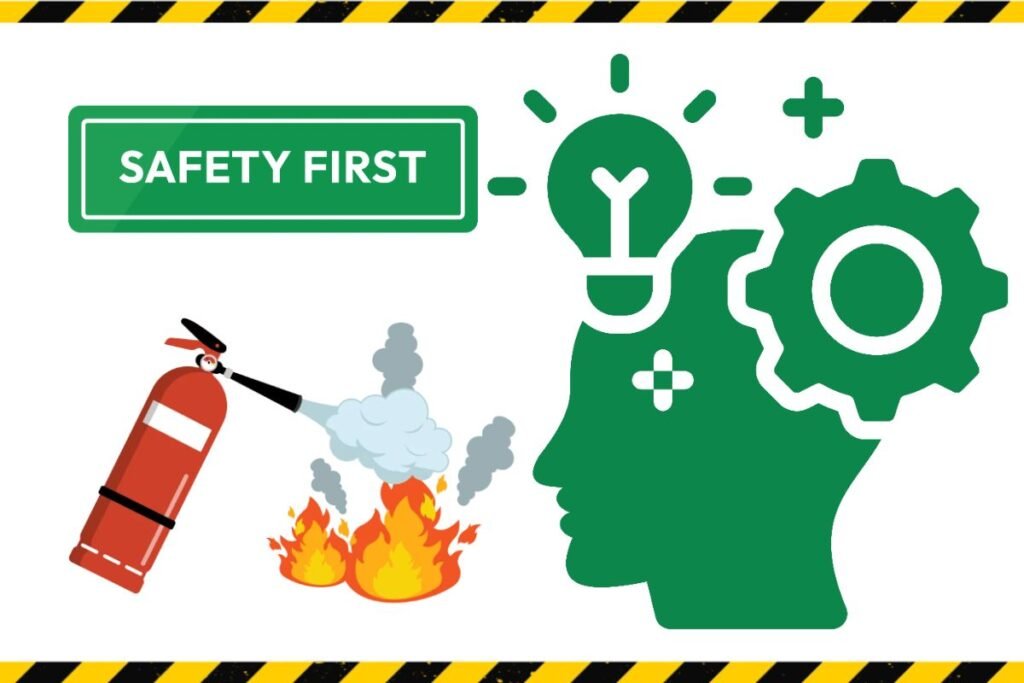
The main intro is closest to your infographic’s message. The story version works well if you want readers to feel something in the first few lines. I can swap either one into the article file.
What Is a Responsible HSE Mindset?
A responsible HSE mindset isn’t only about spotting dangers and managing risks. That’s one part of the picture.
It also means caring about people, planning ahead, speaking up, learning from mistakes, and protecting the environment. It’s the difference between following a rule because you must and following it because you understand why it matters.
The goal is a safer and more sustainable future, for workers, for companies, and for the world around us.
1. Risk Management
Risk management is the part most people think of first. It’s about seeing trouble coming before it arrives.
What it looks like:
- Identify risks and hazards early, before they turn into incidents
- Evaluate the risks and put practical controls in place
- Never ignore or underestimate a risk, even a small one
A simple example: You notice a loose guard on a machine. You don’t wait for someone to get hurt. You tag it, report it, and get it fixed.
Small risks that get ignored have a habit of growing. Early action is almost always easier, cheaper, and safer.
2. People and Teamwork
Safety is a team sport. No one person can watch every corner of a workplace.
What it looks like:
- Support and encourage employees
- Build a culture of safety
- Listen to people and influence them at every level
A simple example: A new worker asks a “silly” question about a task. A good team treats it as a good question, and everyone learns.
When people feel respected, they speak up. And when they speak up, problems get caught sooner.
3. Planning and Organisation
Good safety doesn’t happen by accident. It’s planned, scheduled, and followed through.
What it looks like:
- Prepare inspections and audits
- Manage risks and protect worker safety
- Keep records and follow up on actions
A simple example: An inspection finds a blocked fire exit. The team clears it, writes it down, and checks again next week. The record proves the action was done.
Without follow-up, even the best inspection is just a list. Planning turns findings into real change.
4. Knowledge and Compliance
You can’t follow rules you don’t know. Knowledge is the foundation of responsible action.
What it looks like:
- Understand legal requirements and company rules
- Stay informed about standards and best practices
- Make sure proper procedures are in place
A simple example: A new regulation changes how a certain task must be done. A responsible HSE person reads it, updates the procedure, and trains the team.
Laws, standards, and good practice keep changing. Staying curious keeps you and your workplace ahead of the curve.
5. Observation and Awareness
Many accidents give warning signs first. The trick is noticing them.
What it looks like:
- Be aware of facts and real conditions on the ground
- Keep a clear view of the situation
- Spot problems before they become risks
A simple example: You see oil on the floor near a walkway. You don’t walk around it and assume someone else will deal with it. You clean it or report it right away.
Awareness means looking up from the task, scanning the scene, and trusting your instincts when something seems off.
6. Communication
Information that stays in one person’s head can’t protect anyone. Safety depends on sharing it.
What it looks like:
- Share information clearly and on time
- Build relationships and teamwork
- Close the gap between management and workers
A simple example: A supervisor tells the team about a changed work plan before the shift, not halfway through the job.
Good communication is two-way. Managers explain the “why,” and workers share what they see on the ground.
7. Health and Well-Being
Safety isn’t only about injuries. It’s about the whole person.
What it looks like:
- Protect physical and mental health
- Promote well-being and work-life balance
- Recognise fatigue, stress, and the human factor
A simple example: A worker has been on long shifts for days and is making small mistakes. A good team notices and gives them a break before a small mistake becomes a big one.
Tired, stressed, and overloaded people make more errors. Looking after well-being is a safety measure, not a luxury.
8. Continuous Improvement
No workplace gets safety perfect. The best ones keep getting better.
What it looks like:
- Learn from incidents and near misses
- Improve processes and systems
- Make HSE a priority that grows smarter and more effective
A simple example: A near miss happens with no injury. Instead of shrugging it off, the team investigates, finds the cause, and fixes it.
Near misses are free lessons. Every one you learn from is an accident you might prevent.
9. Environmental Management
Responsible HSE doesn’t stop at the factory gate. What we do affects the world around us.
What it looks like:
- Protect the environment
- Manage environmental risks
- Promote sustainable practices
A simple example: A site sorts its waste, prevents spills, and cuts unnecessary energy use. Small habits add up to a cleaner footprint.
A healthy workplace sits inside a healthy environment. Looking after one helps the other.
How the Nine Parts Work Together
These nine areas aren’t separate boxes. They connect, like parts of one brain.
Observation spots the problem. Communication shares it. Planning organises the response. Risk management controls it. Knowledge ensures the response is correct. Teamwork makes it happen. Well-being keeps people fit to do it. Improvement makes sure it doesn’t repeat. And environmental care makes sure the solution doesn’t create a new problem.
When they work together, HSE becomes natural, not forced.
What a Strong HSE Mindset Delivers
When an organization builds this mindset, the benefits show up everywhere.
- People at the core: Workers feel safe, valued, and heard
- A cleaner environment: Less pollution, less waste, fewer spills
- A stronger company: Fewer incidents, less downtime, better trust
- A sustainable future: Practices that last and protect what comes next
Think. Plan. Prevent. Protect.
Here’s a simple four-word rhythm you can use every day.
- Think: Pause and consider what could go wrong
- Plan: Decide how to do the job safely
- Prevent: Put controls in place before starting
- Protect: Look after people, property, and the environment
It takes seconds to run through, and it can change the outcome of a whole shift.
Simple Daily Habits to Build Your HSE Brain
- Take a minute to review hazards before each task
- Report unsafe conditions and near misses promptly
- Ask questions when you aren’t sure
- Share what you learn with your team
- Check on a colleague who looks tired or stressed
- Keep your work area tidy
- Follow the procedure, even when no one is watching
- Think about the environment in everyday choices
Common Mistakes to Avoid
- Treating HSE as paperwork instead of a mindset
- Thinking safety is only the safety officer’s job
- Ignoring small hazards because “nothing has happened yet”
- Skipping follow-up after inspections and audits
- Blaming individuals without looking at the system
- Overlooking fatigue and mental health
- Forgetting the environmental side of HSE
Final Thoughts
HSE isn’t a department, a form, or a poster on a wall. It’s a state of mind.
When you think before you act, plan your work, prevent problems, and protect people and the planet, you’re using your HSE brain. Small, simple actions repeated every day make a very big difference.
Think. Plan. Prevent. Protect.
Frequently Asked Questions
HSE stands for Health, Safety, and Environment. It covers protecting people’s health and safety and looking after the environment.
It’s a way of thinking built on awareness, prevention, communication, and continuous improvement. It goes beyond rules and checklists.
No. A safety officer guides and supports, but everyone at work plays a part, from managers to new workers.
Hazards and plans only protect people when information is shared. Good communication also closes the gap between management and workers.
Fatigue, stress, and poor mental health can lead to mistakes. Looking after well-being reduces human error.
Near misses reveal weak points before someone gets hurt. Learning from them helps prevent real incidents.
Start with small habits: look for hazards, speak up, follow procedures, learn from mistakes, and think about your impact on others and the environment.
The goal isn’t only to prevent accidents. It’s to build a safer, healthier, and more sustainable workplace.