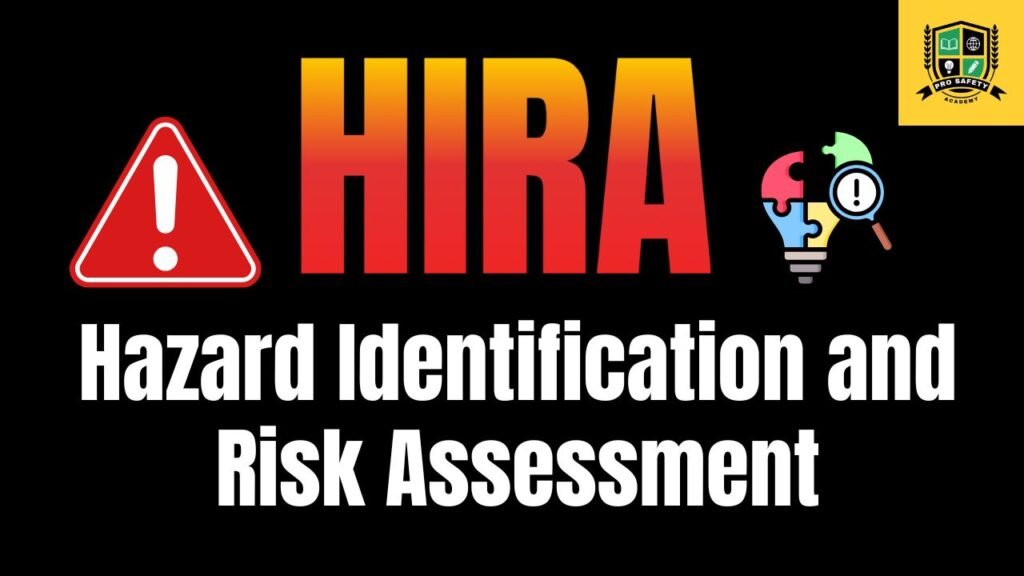
When it comes to staying safe at work, the HIRA (Hazard Identification and Risk Assessment) process is evolving faster than ever. In 2025, some exciting trends are changing how we identify and manage hazards. Let’s dive into the coolest safety trends that make HIRA smarter, more engaging, and easier to follow. You’ll see how technology, teamwork, and rules all play their part in keeping you and your workplace safe.
Emerging Technologies Enhancing HIRA Processes
You might be surprised how much technology is shaking up traditional HIRA methods. Instead of relying solely on paperwork and manual checks, companies now use smart devices and software to spot hazards quickly. For example, drones can inspect hard-to-reach areas, capturing details you might miss during a walk-around.
Sensors monitor environmental changes like gas leaks or temperature spikes, alerting safety teams before things get risky. These gadgets don’t just speed things up—they make HIRA more accurate and less prone to human error. Imagine having a digital assistant helping you track hazards in real time. It’s like giving your safety process a superpower!
Besides hardware, cloud-based platforms let your whole safety team collaborate on HIRA documents from anywhere. You can update risk assessments on the go and share findings instantly. This seamless communication means hazards get addressed faster, and you stay ahead of potential problems. So, if you want your HIRA process to keep up with today’s fast pace, embracing these emerging technologies is a smart move.
Integrating AI with HIRA for Smarter Risk Management
Artificial Intelligence (AI) is no longer just science fiction—it’s becoming a practical tool to boost HIRA efforts. AI can analyze huge amounts of safety data, spotting patterns and risks that might take humans days or weeks to find. You can think of AI as your safety team’s new best friend, helping prioritize hazards based on real-time insights.
With AI, HIRA becomes more proactive than reactive. Instead of waiting for incidents to occur, AI predicts where problems might happen next. This helps you focus your resources on the most critical areas. Plus, AI-powered chatbots can guide employees through hazard identification, making the HIRA process more interactive and less intimidating. You don’t have to be a tech genius to enjoy these benefits—many AI tools are designed with user-friendliness in mind.
By integrating AI, your workplace risk management turns smarter and more adaptive. It’s like having a crystal ball that helps you foresee risks and avoid accidents before they happen. If you’re looking to upgrade your HIRA game, AI is definitely a trend to watch closely.
The Role of Employee Engagement in Effective HIRA
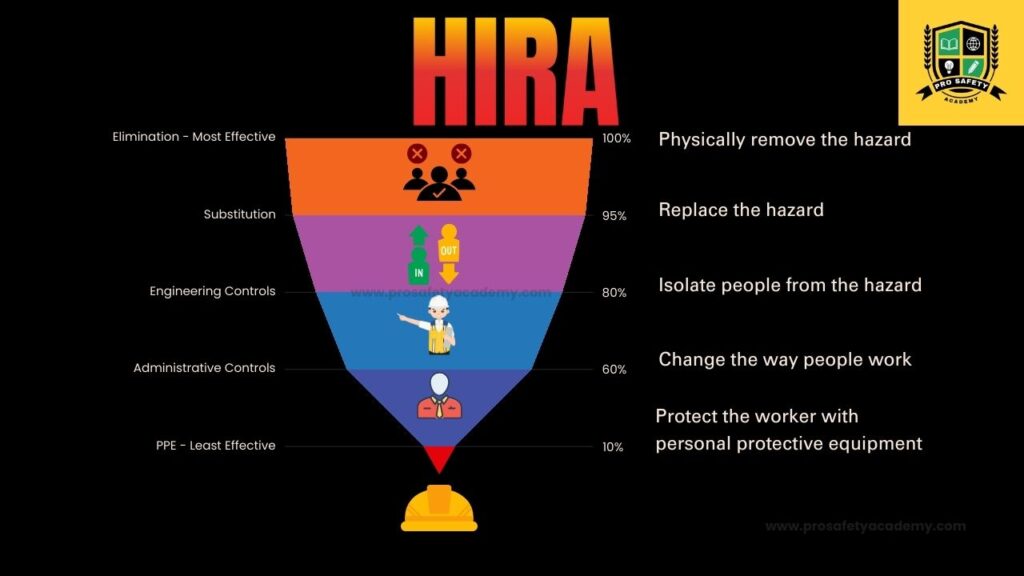
No matter how advanced your technology is, HIRA can’t succeed without the people involved. Employee engagement is the secret ingredient that makes hazard identification truly effective. When you encourage everyone to speak up and share safety concerns, you build a culture where hazards don’t get ignored.
Getting your team involved means making HIRA easy and even a bit fun. Try hosting brainstorming sessions or safety games that help people spot risks without feeling overwhelmed. When employees feel their input matters, they’re more likely to stay alert and report hazards promptly. You might be surprised how many hidden dangers come to light when you tap into the collective knowledge of your workforce.
Also, regular training and open communication keep safety top of mind. Sharing HIRA results transparently helps employees understand the importance of their role in risk management. When you turn HIRA into a team effort, everyone wins with a safer, healthier workplace.
How Regulatory Changes Impact HIRA Practices
HIRA doesn’t exist in a vacuum—it must align with ever-changing safety regulations. In 2025, several new rules and standards are shaping how organizations approach hazard identification and risk assessment. Staying informed about these changes is crucial to keep your HIRA process compliant and effective.
Regulations may require more detailed documentation or introduce new hazard categories to consider. Sometimes, they push companies to adopt the latest technology or improve employee training programs. While this might sound like extra work, it actually helps set a clear safety roadmap. You benefit from knowing exactly what’s expected and how to meet those expectations with your HIRA activities.
Think of regulatory changes as a helpful guide rather than a burden. They ensure that your workplace safety practices keep pace with the latest knowledge and industry best practices. Plus, being proactive about compliance can save you from costly fines or shutdowns. So, keep an eye on the rules and adjust your HIRA process accordingly to stay ahead of the game.
With these trends shaping HIRA in 2025, you’re well-positioned to transform your workplace safety culture. Embrace technology, engage your team, and stay updated on regulations to make hazard identification smarter and more effective. After all, safety isn’t just a checklist—it’s a continuous journey where every step counts!