India rewrote its labour laws to modernize protections for millions of workers. Yet buried in this massive overhaul is a glaring omission: climate change barely gets a mention.
As heatwaves grow more frequent and deadly, this gap isn’t just an oversight. It’s a growing risk to the health and livelihoods of millions of Indian workers.
| Section | Key Points |
| What Are India’s New Labour Codes? | India consolidated dozens of old labour laws into 4 unified codes in 2020: Wages, Industrial Relations, Social Security, and Occupational Safety. Extended coverage to gig/platform workers and expanded social security for informal sector. Occupational Safety Code became operative in November 2025. |
| The Missing Word: Climate | Despite rules finalized in May 2026, the codes never mention “climate change.” Past decade includes some of the warmest years on record. ~490 million informal/outdoor workers have no binding heat protection; treated as advisory, not a right-to-health issue. |
| Heat Is Already Hurting Workers | Survey: ~9 in 10 garment workers (Delhi NCR, Tamil Nadu, Gujarat) reported heat-related symptoms in the past year. ~45,000 factory workers in Noida/Greater Noida walked off the job over wages and long shifts; unrest turned violent. Each 1°C rise cuts plant output ~2% and productivity 2–4%. |
| Who Falls Through the Cracks? | Women face higher vulnerability (socioeconomic, cultural, occupational factors); little heat surveillance in female-dominated sectors. Gig workers uncovered by the Occupational Safety Code despite union demands. Old factory laws only cover indoor workrooms, excluding outdoor construction/sanitation workers. |
| Why the Legal Gap Persists | Labour is a “concurrent subject” — states and center share responsibility, causing inconsistency. Karnataka adjusted work hours during heat; Factory Inspectorate & DGMS could enforce stronger standards. India hasn’t ratified ILO Convention 155 (unlike California’s WBGT standards or France’s “right to withdraw”). Courts recognize a climate-linked right, but no umbrella climate law exists. |
| What Would Real Protection Look Like? | Give Heat Action Plans statutory backing with penalties. Formally notify heatwaves as disasters to unlock funding. Convert discretionary heat rules into mandatory, humidity-aware standards. NDMA recommends safety kits, breaks, work pauses for gig workers — unions want these made enforceable, not just advisory. |
| The Bigger Picture | Codes improved wage/social security coverage but didn’t keep pace with climate reality. Growing heatwave exposure needs enforceable heat standards, not just new laws — mainly requires updating existing ones. |
What Are India’s New Labour Codes?
In 2020, India consolidated dozens of older labour laws into four unified codes covering Wages, Industrial Relations, Social Security, and Occupational Safety. The goal was to simplify a fragmented legal landscape built up over decades.
The codes also extended some protections to platform and gig workers, along with broader social security and minimum wage coverage for the informal sector. On paper, this looked like a real step forward for worker welfare.
The Occupational Safety, Health and Working Conditions Code became operative in November 2025, and many saw it as the natural place to build in heat protections for workers. That opportunity, experts say, was largely missed.
The Missing Word: Climate
Despite implementation rules being finalized as recently as May 2026, India’s new labour codes don’t mention climate change even once. This is striking given how visibly conditions have shifted in recent years.
The past decade has brought some of the warmest years on record, along with a rise in extreme weather events across the country. While the occupational safety code does include a few protections, coverage remains uneven, leaving most workers exposed to health impacts and lost income.
The scale of this gap is significant. Nearly 490 million informal and outdoor workers currently have no binding, enforceable protection from extreme heat. Instead, heat safety is largely treated as discretionary advice rather than a matter tied to the constitutional right to health.
Heat Is Already Hurting Workers
This isn’t a distant or theoretical risk. A survey of garment workers across Delhi NCR, Tamil Nadu, and Gujarat found that nearly nine in ten reported heat-related symptoms in the past year alone.
Earlier this year, roughly 45,000 factory workers in Noida and Greater Noida walked off the job over wages and long shifts, with the unrest turning violent by its fourth day. Many of these workers, employed in garment, footwear, and electronics units, belong to exactly the group Indian research identifies as facing the highest occupational heat burden.
The economic toll is measurable too. Each degree rise in temperature is estimated to cut annual plant output by roughly 2 percent and reduce worker productivity by 2 to 4 percent.
Who Falls Through the Cracks?
The groups most exposed to heat are often the ones least protected by law.
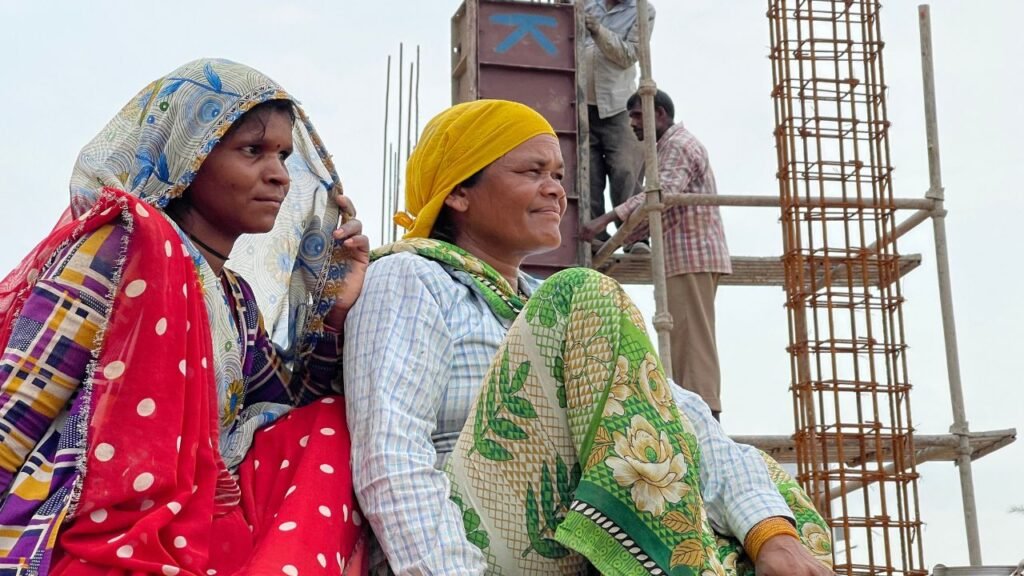
Women face particular vulnerability due to a mix of socioeconomic, cultural, and occupational factors. Researchers point out that routine surveillance of workplace heat exposure barely exists, especially in sectors where women make up most of the workforce.
Gig and platform workers face a similar blind spot. Experts argue that heat protection should flow directly from the Occupational Safety Code, which combines 13 older labour laws but still leaves gig workers uncovered.
Labour unions have formally called for amendments requiring app-based platforms to protect workers from extreme heat, especially after another punishing bout of high temperatures beginning in April. Unions argue that voluntary advisories carry little weight, since nothing compels platforms to actually comply.
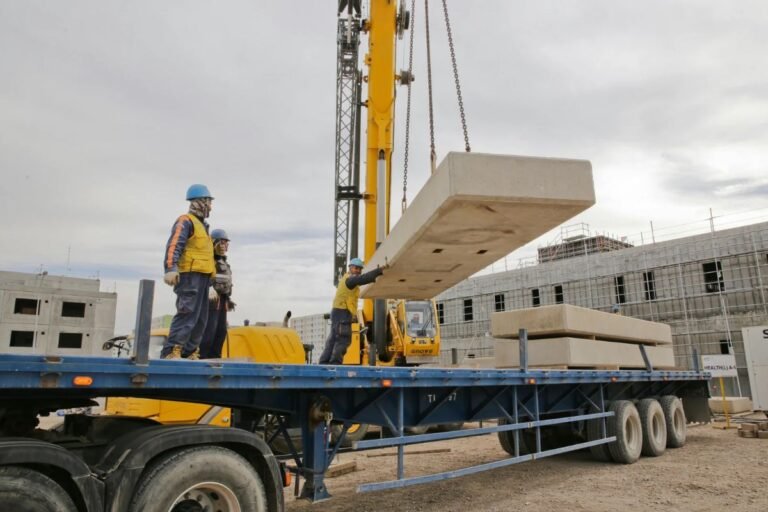
Older, factory-era protections haven’t kept pace either. Many only cover indoor workrooms, leaving the massive outdoor construction and sanitation workforce with almost no legal coverage at all.
Why the Legal Gap Persists
Part of the challenge lies in India’s federal structure. Labour is a concurrent subject under the Constitution, meaning both states and the central government share responsibility for it. This creates room for state-level action, but also inconsistency across regions.
Some states have already experimented with adaptive measures. Karnataka, for example, revised government office hours and restricted strenuous outdoor work during peak afternoon temperatures. India also already has institutional mechanisms that could help, including the Factory Inspectorate and the Directorate General of Mines Safety, both of which could enforce stronger heat standards if empowered to do so.
On the global stage, India’s legal framework lags behind comparable economies. The country has not ratified ILO Convention 155, the international instrument most associated with enforceable occupational safety obligations. By comparison, California uses science-based work-rest and acclimatisation standards tied to heat and humidity readings, while France recognizes a worker’s right to withdraw from unsafe conditions altogether.
Courts have started to acknowledge the underlying issue as well, recognizing a right connected to climate protection even while noting that India still lacks any umbrella climate legislation to support it in practice.
What Would Real Protection Look Like?
Experts and advocacy groups point to a few concrete fixes.
One proposal is giving Heat Action Plans statutory backing, complete with named enforcing agencies and real penalties for non-compliance. Another is formally notifying heatwaves as disasters, which would unlock dedicated funding and a clearer response mandate.
A third path involves converting the current discretionary heat provisions in the Occupational Safety Code into mandatory, humidity-aware standards through proper rule-making.
The National Disaster Management Authority has already recommended steps like safety kits, scheduled breaks, and pausing work during peak heat hours for gig workers. Unions, however, continue pushing for enforceable minimum standards rather than voluntary suggestions that carry no legal weight.
At the state level, advocacy groups have also called for stronger enforcement in small and mid-sized factories, since a large share of India’s workforce operates in units that fall outside regular safety inspections.
The Bigger Picture
India’s new labour codes represent real progress in several areas — simplifying old laws, extending coverage to gig workers, and strengthening social security protections. But climate change has moved faster than the legal text meant to protect workers from it.
As heatwaves intensify and spread into regions that rarely used to see them, the absence of a clear, enforceable heat framework leaves millions of workers exposed. Closing this blind spot may not require an entirely new law. It may simply require finally writing “climate” into the one that already exists.
Sources: Newslaundry, LiveLaw, British Safety Council India, Mongabay India, Scroll.in, Down To Earth, and Insights on India.