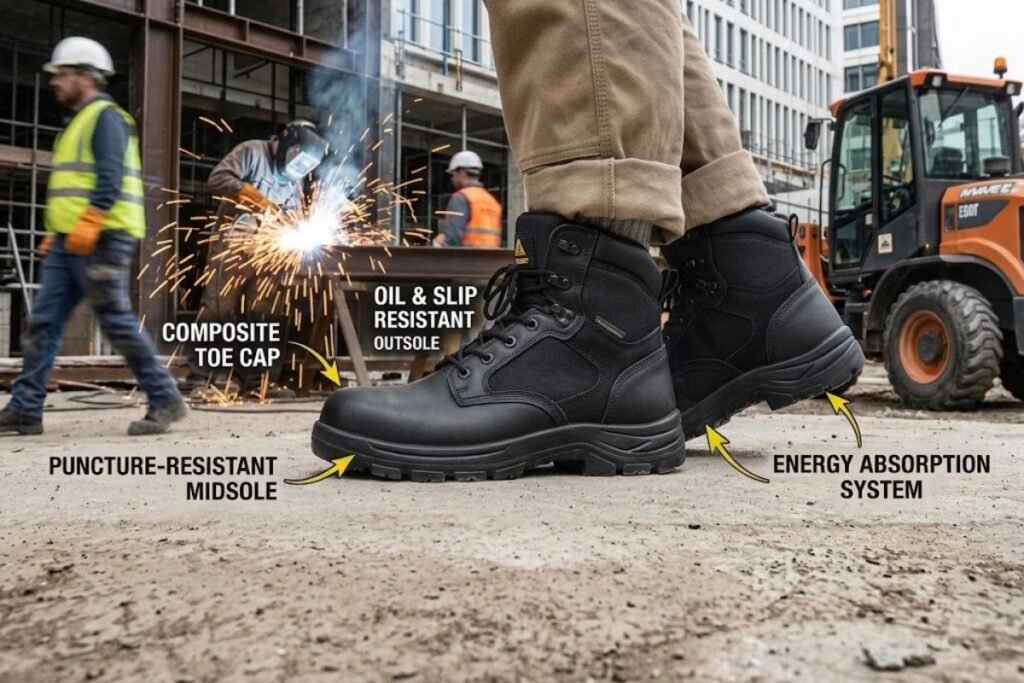
Safety shoes are essential for protecting workers from common construction site hazards, including falling objects, sharp nails, slippery surfaces, and uneven ground. Choosing the right footwear can help prevent foot injuries, improve stability, and provide comfort during long working hours.
However, not all safety shoes offer the same level of protection. In this guide, we’ll explore the different types of safety shoes for site work, their protective features, how to choose the right pair for specific hazards, and common mistakes to avoid.
Why Safety Shoes Are Essential on Construction Sites
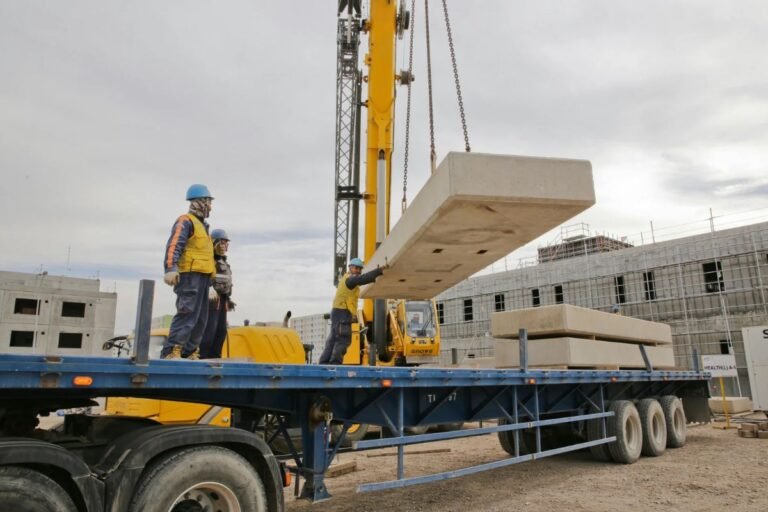
A construction site is full of surprises. Tools fall, nails hide in timber, and floors turn slippery without warning.
Your regular sneakers can’t handle any of that. They bend, tear, and offer almost no protection.
Safety shoes are built for exactly these moments. They protect your toes from heavy objects and your soles from sharp items.
They also help you grip wet or oily surfaces. That means fewer slips, fewer sprains, and fewer bad days.
Here’s another bonus: good safety shoes reduce fatigue. When your feet feel supported, you stay focused longer.
So think of them as your daily bodyguard. They work quietly, and you only notice them when something goes wrong.
Types of Safety Shoes and Their Protective Features
Not all safety shoes look or work the same. Here’s a quick tour of what you’ll find.
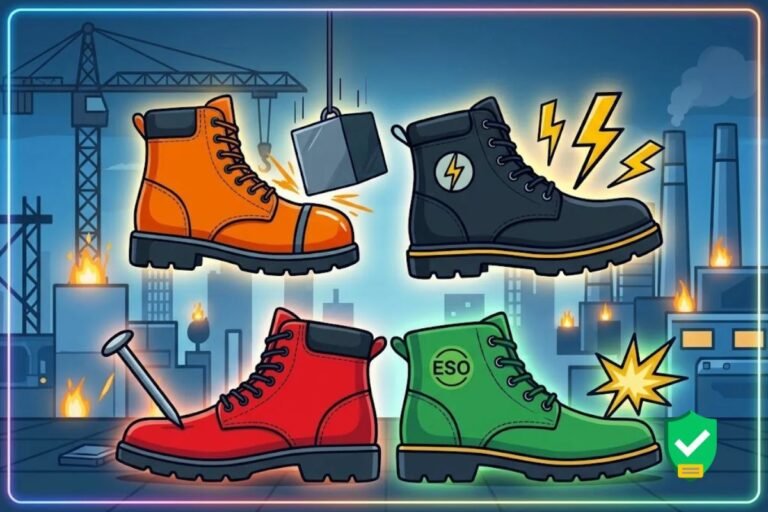
Steel toe shoes have a metal cap over your toes. They’re tough and affordable, and they handle heavy impact well.
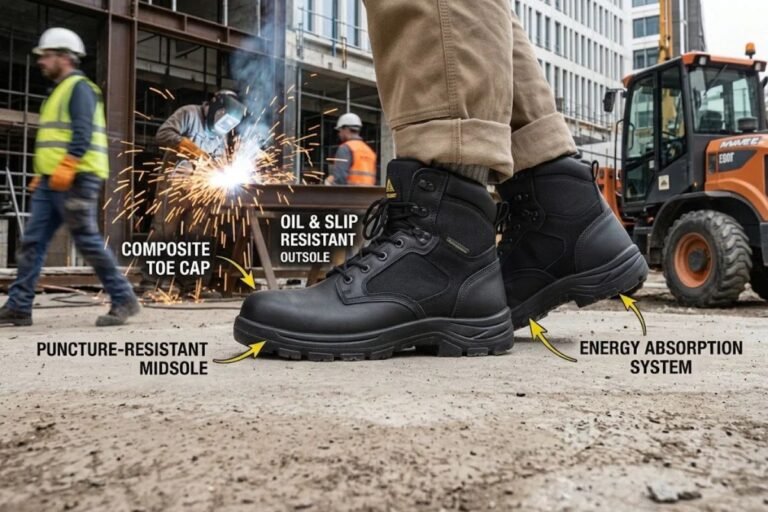
Composite toe shoes use plastic, carbon fibre, or similar materials. They’re lighter than steel, and they don’t conduct heat or cold as much.
Safety boots cover your ankles. You get extra support, which helps on uneven ground and rough terrain.
Slip-resistant shoes have special outsole patterns. They grip wet, oily, or smooth floors much better.
Puncture-resistant shoes include a protective plate in the midsole. This stops nails and sharp debris from reaching your foot.
Electrical hazard shoes have non-conductive soles. They help reduce the risk of shock when you work near live circuits.
Metatarsal guard shoes protect the top of your foot. They’re useful when heavy items could land across your instep.
Many pairs combine several features at once. Always read the label to see what yours actually offers.
How to Choose the Right Shoes for Different Site Hazards
The best pair depends on your job. A roofer and an electrician don’t face the same risks.
Start by listing your daily hazards. Then match each one with a protective feature.
- Falling objects? Choose a steel or composite toe cap.
- Nails and sharp debris? Look for puncture-resistant midsoles.
- Wet or oily floors? Pick slip-resistant outsoles.
- Electrical work? Go for electrical hazard-rated shoes.
- Uneven ground? Choose ankle-supporting boots.
- Hot surfaces or chemicals? Check for heat or chemical-resistant soles.
Next, check the safety standard. Look for marks such as IS 15298, EN ISO 20345, or ASTM F2413, based on your region.
Fit matters just as much as features. Try shoes on in the afternoon, when your feet are slightly swollen.
Wear your usual work socks during the test. You should have room to wiggle your toes, but your heel shouldn’t slip.
Walk around the shop for a few minutes. If it pinches now, it will hurt after eight hours.
Finally, think about comfort. Breathable lining, cushioned insoles, and light weight all make long shifts easier.
Common Mistakes Workers Make When Wearing Safety Shoes
Even good shoes fail when you use them the wrong way. Here are mistakes you should avoid.
Wearing the wrong type. A pair built for dry floors won’t help on an oily workshop. Match the shoes to the hazard.
Choosing the wrong size. Tight shoes cause blisters and numb toes. Loose ones raise your risk of tripping.
Ignoring wear and tear. Cracked soles, exposed steel, and worn treads reduce protection. Replace damaged pairs promptly.
Keeping them after a heavy impact. If something heavy hits your toe cap, the shoe may be weakened. Replace it, even if it looks fine.
Leaving laces loose. Untied laces can catch on equipment and send you flying. Tie them firmly before every shift.
Skipping cleaning and drying. Wet, dirty shoes break down faster and smell terrible. Let them dry fully between uses.
Wearing worn-out socks or none at all. Good socks manage sweat and reduce friction. Your feet will thank you.
Buying on price alone. The cheapest pair may lack proper certification. A few extra rupees can save you a lot of pain.
Avoid these habits, and your shoes will last longer and protect you better.
So the next time you pack your site bag, give your feet some love. The right safety shoes for site work are a small purchase with a big payoff.