
Updated November 4, 2026. This story is still developing, and details may change as officials release more information.
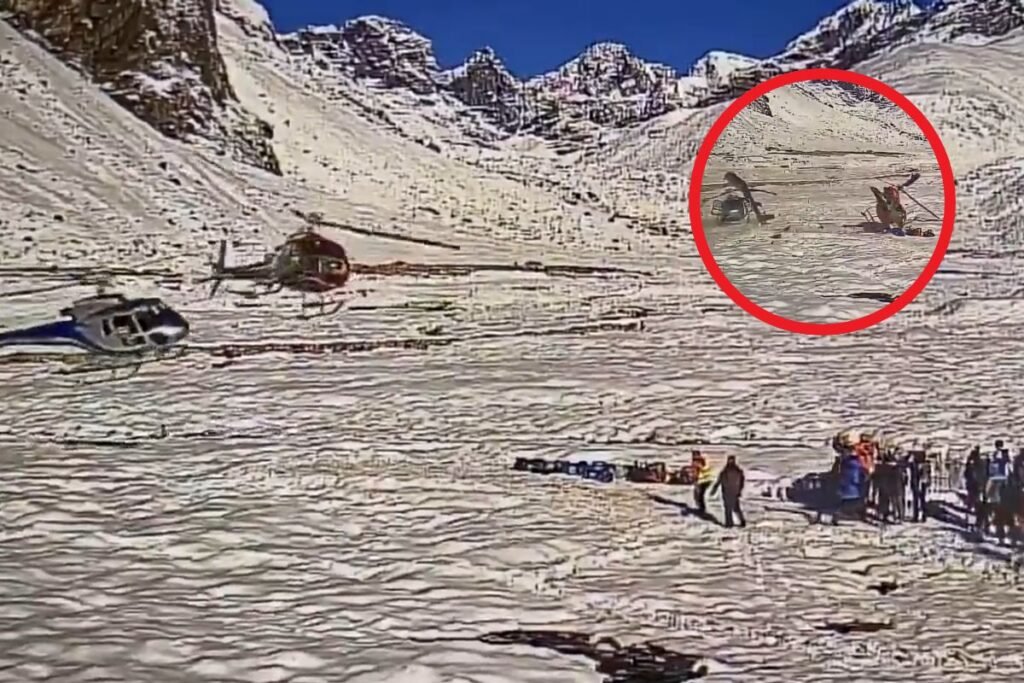
Early on the morning of Tuesday, November 3, 2026, two helicopters collided while landing at the Pheriche helipad in Nepal’s Solukhumbu district, in the Everest region. One person lost their life, and others were injured.
Our thoughts are with the family and loved ones of the person who died, and with everyone hurt in the accident.
Aviation accidents like this one draw attention far beyond the mountains. For safety professionals, they raise important questions about shared landing areas, communication, and high-altitude operations. This article covers what has been reported so far, what remains unknown, and the general safety lessons worth discussing.
What We Know So Far
Based on reports from Nepali, Indian, and international news outlets and statements attributed to the Civil Aviation Authority of Nepal (CAAN) and police:
| Detail | Reported Information |
|---|---|
| Date | Tuesday, November 3, 2026 |
| Time | Around 8:11–8:12 AM local time |
| Location | Pheriche Helipad, Khumbu Pasanglhamu Rural Municipality, Solukhumbu, Nepal |
| Aircraft Involved | Two helicopters operated by Fishtail Air and Air Dynasty |
| What Happened | The helicopters collided while landing, causing their rotors to strike each other. |
| Fatalities | One person, an Indian national, reportedly a 47-year-old passenger on the Fishtail Air helicopter. |
| Injuries | Reports vary, with one to three people injured. |
| Fire | Police reported no fire following the collision. |
| Medical Response | An injured person was reportedly flown to Lukla for treatment by another helicopter. |
According to reports, the Fishtail Air helicopter was carrying passengers brought down from the Everest region. Air Dynasty reportedly said its helicopter was carrying cargo only.
Why the injury numbers differ
Early police information mentioned one injured person. Later reports, citing CAAN, mentioned three injured people, including a passenger and both pilots, while the Associated Press reported two. This is common in the first hours after an accident. Figures are often updated as officials confirm details.
What We Don’t Know Yet
The cause of the collision has not been officially established. CAAN has reportedly launched an investigation into the circumstances.
It would be wrong to guess the cause. Aviation investigators usually take time to examine factors such as:
- Flight paths and landing sequence
- Radio communication between aircraft and ground staff
- Weather, visibility, and light conditions
- Helipad layout and capacity
- Aircraft performance at high altitude
- Crew actions and workload
- Any recorded footage and data
Until the official findings are published, any claim about who or what caused the collision is speculation. This article doesn’t assign blame.
Why Helipad Operations in the Himalayas Are Demanding
Without drawing any conclusion about this accident, it helps to understand why helicopter operations in the Everest region are considered challenging.
- High altitude: Pheriche sits at more than 4,000 metres above sea level. Thin air reduces helicopter performance and leaves less margin for error.
- Changing weather: Mountain weather can shift quickly, affecting wind, cloud, and visibility.
- Busy seasons: Autumn is a popular trekking period, so traffic can be heavy at certain times.
- Shared landing areas: Small helipads may serve several operators and aircraft in the same period.
- Rescue and evacuation flights: Flights carrying sick or stranded trekkers add urgency and time pressure.
- People close to the landing area: Passengers, crew, and bystanders may be near the helipad.
These factors don’t make accidents inevitable. They do mean that planning, coordination, and discipline matter a great deal.
General Safety Lessons for Shared Helipads and Landing Areas
The lessons below are general principles from aviation and ground safety. They aren’t findings about this specific accident.
- Control the landing sequence
When more than one aircraft uses a landing area, there should be a clear method for deciding who lands, who waits, and who departs. A common safety principle is one aircraft at a time in the landing zone, unless the site is designed and approved for more.
- Keep communication clear and shared
Pilots and ground staff need a reliable way to share position, intent, and clearances. Where radio use is limited or varies between operators, risk rises. Clear procedures, standard phrases, and a common channel help.
- Design the helipad for the traffic it handles
Helipad size, markings, approach paths, and spacing should match the number and type of aircraft that use it. A site that works for a few flights may be stretched when demand grows.
- Manage simultaneous operations (SIMOPS)
SIMOPS means different operations happening at the same place and time. Landings, departures, loading, refuelling, and passenger movement should each have clear rules, and someone should coordinate them.
- Respect time pressure
Rescue and evacuation work creates urgency, and people may feel pushed to move faster. Safety systems should support quick action without letting speed override separation and checks.
- Build strong crew resource management (CRM)
CRM covers how crews communicate, share workload, and speak up when something feels wrong. Good CRM lets any crew member question an unsafe action.
- Protect people on the ground
Passengers, porters, and bystanders should stay outside rotor danger zones and follow crew instructions. Clear marking, marshalling, and briefings reduce the chance of someone walking into danger.
- Plan for emergencies in remote areas
When an accident happens far from hospitals, emergency response speed matters. Sites should have emergency plans, first aid capability, communication links, and ways to move casualties quickly.
- Report and learn from near misses
Close calls often show weaknesses before an accident occurs. Operators should be encouraged to report them, and regulators and companies should act on what they learn.
What Passengers and Trekkers Can Do
If you’re travelling in remote regions where helicopters are common:
- Choose operators that are properly licensed and have a safety record you can check
- Listen carefully to briefings and follow crew instructions
- Stay well clear of rotors, and approach or leave an aircraft only when the crew signals you to
- Keep loose items secured, especially near rotors
- Ask questions if something about the operation seems unclear
- Make sure your travel and rescue insurance covers helicopter evacuation
Lessons for Safety Professionals
Even if you don’t work in aviation, this event holds useful reminders.
- Where several teams share one workspace, coordination is a control, not an afterthought
- Communication gaps can turn a routine task into a serious event
- High-demand periods need extra planning, not just extra effort
- Emergency response should be ready before it’s needed
- Investigations should focus on learning, not blame
These ideas apply on construction sites, in factories, at ports, and on any worksite where moving equipment and people mix.
Final Thoughts
An accident like this is a reminder of how fast a routine landing can become a tragedy, and how much depends on coordination, communication, and clear procedures.
We should wait for the official findings before drawing conclusions about the cause. In the meantime, the general lessons about shared landing areas, clear communication, and careful planning are worth taking seriously, in the air and on the ground.
Sources: Reports from The Himalayan Times, OnlineKhabar, The Kathmandu Post, EconoTimes (citing CAAN and the Associated Press), IANS, Fox News, and WION, with information attributed to CAAN and Nepal Police. Facts are as reported on November 3 to 4, 2026, and may be updated.
Frequently Asked Questions
Two helicopters, operated by Fishtail Air and Air Dynasty, collided while landing at the Pheriche helipad in Solukhumbu, Nepal. One person died and others were injured.
According to reports, the person who died was an Indian national who was a passenger on the Fishtail Air helicopter.
Reports vary. Early police information mentioned one injured person, while later reports mentioned two or three. The figure may be updated.
The cause hasn’t been officially established. CAAN has reportedly opened an investigation.
Police reported no fire after the collision.
High altitude, changing weather, busy seasons, and small shared landing areas all add risk.
IMOPS stands for simultaneous operations. It describes different activities happening at the same place and time, which need coordination to stay safe.
CRM is a set of practices for communication, teamwork, and decision-making that helps crews prevent errors.
Stay outside the rotor area, follow the crew’s signals, secure loose items, and approach or leave only when directed.